Meditating on Scripture in the Age of Notifications
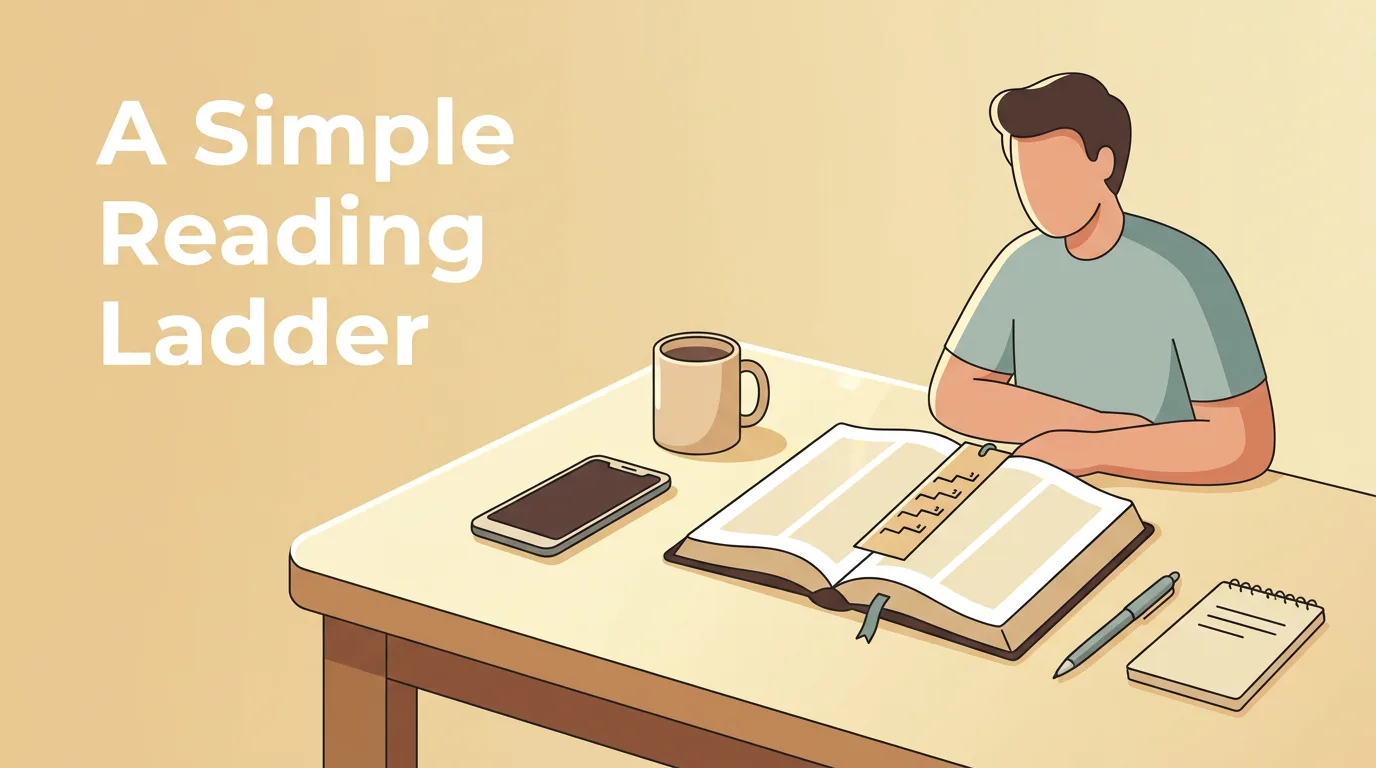
If your attention keeps breaking, meditating on Scripture can become a steadier practice than chasing perfect recall. Here is a practical way to build calm, repeatable rhythms.
Meditating on Scripture can feel unusually hard when your mind has been trained by alerts, short videos, and constant switching. Many Christians are not resisting the Bible because they do not love God. They are trying to pay attention with an attention span shaped by interruption. That is why a gentle, repeatable practice matters more than intensity.
Why distraction changes the way we read
When your phone teaches your brain to expect novelty every few seconds, slow reading can feel uncomfortable. That discomfort does not always mean you are failing. It may simply mean you are noticing how noisy your inner world has become. Meditating on Scripture begins by accepting that reality honestly, then choosing a smaller and steadier next step.
"His delight is in the law of the Lord, and on his law he meditates day and night." - Psalm 1:2
A simple method for meditating on Scripture
Start with one short passage
Choose 1 to 3 verses, not a full chapter. Read them aloud three times. On the first reading, notice repeated words. On the second, notice what the passage reveals about God. On the third, turn one phrase into prayer. This keeps meditating on Scripture concrete instead of vague.
Write before you wander
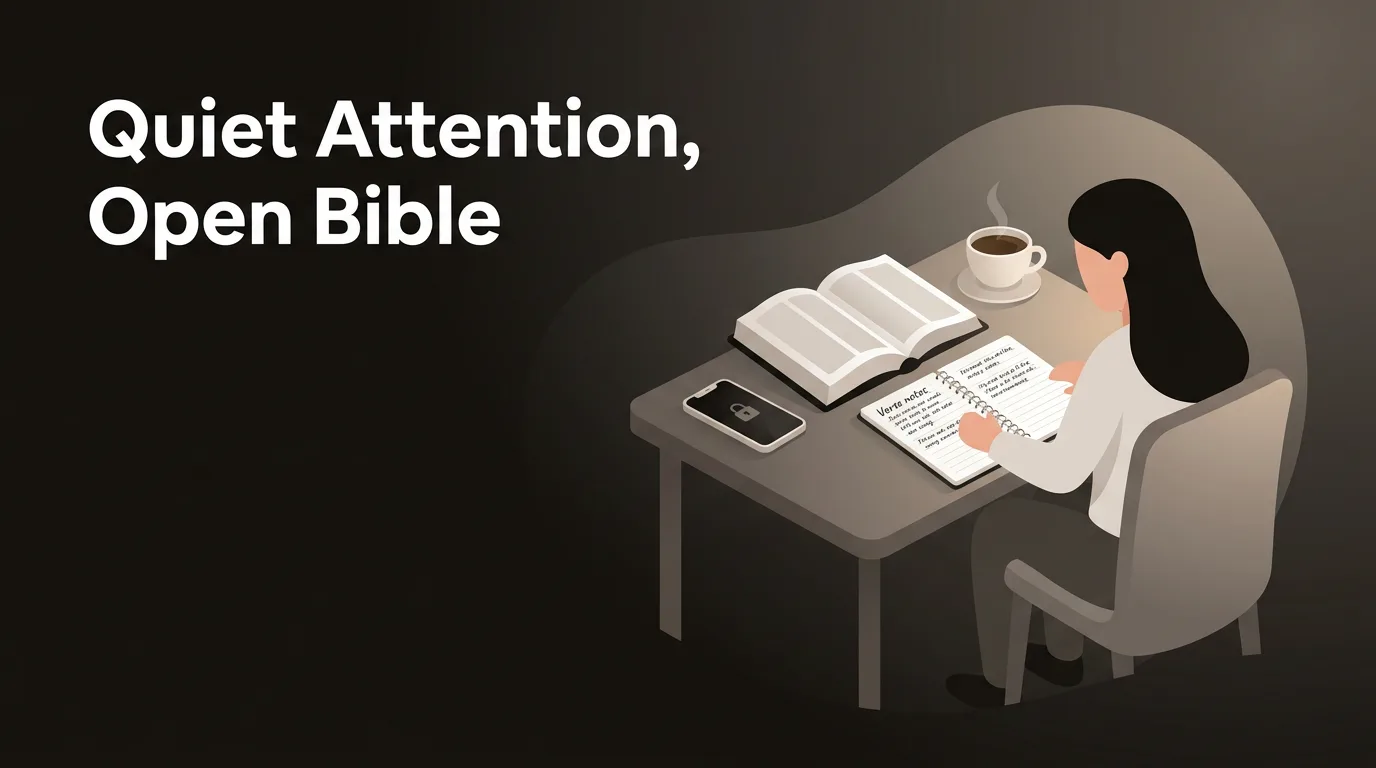
Keep a notebook nearby and write two lines only: "What does this say?" and "What should I do today?" Classical practices like writing and repetition still help because they slow the body enough for the mind to follow. If your thoughts drift, return to the exact words on the page.
- Read the passage aloud for 60 seconds
- Underline one key word or repeated phrase
- Write one observation and one response
- Pray the passage back to God in your own words
- Revisit the same verses later in the day
What to do with your phone while you read
Do not rely on willpower alone. Put the phone face-down and out of reach if possible. Better yet, block your most distracting apps during your reading window. A practical environment is often more spiritual than a dramatic intention because it removes friction before temptation arrives.
Use your phone to interrupt scrolling, not prayer
Prayin helps you lock distracting apps behind a 60-second prayer, so your reflex to scroll can become a cue to slow down, pray, and return to what matters.
Install PrayinA same-passage rhythm for one week
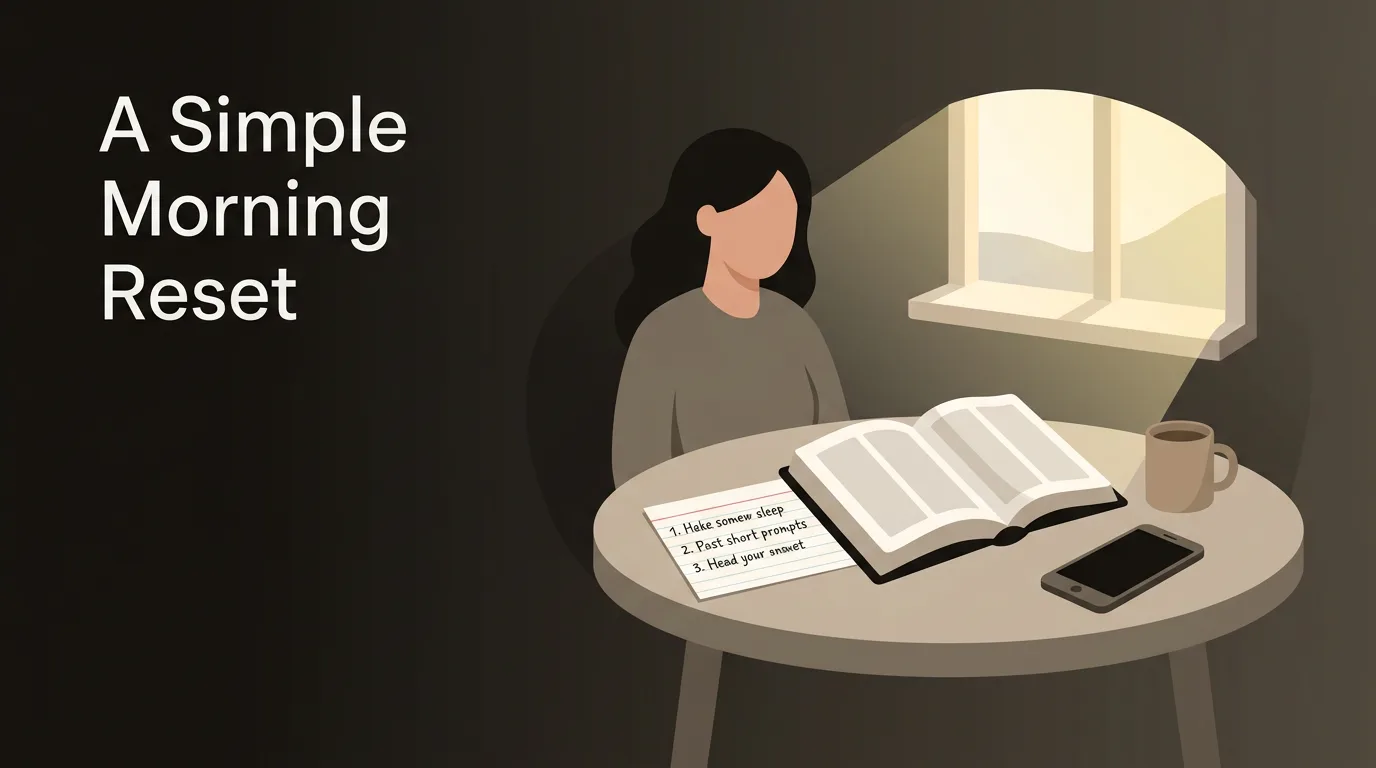
Try this technique today: stay with the same short passage for seven days. Day 1, read and observe. Day 2, read and write a prayer. Day 3, speak it aloud from memory if you can. Day 4, share one insight with a friend. Day 5, listen to the passage in audio form while walking. Day 6, review your notes. Day 7, summarize the passage in one sentence. This pattern combines writing, repetition, and audio without making the practice complicated.
Use modern tools lightly
If digital tools help you stay consistent, use them with intention. You can save a short audio loop of the passage and replay it during a commute or walk. You can also use a flashcard tool like Anki for review prompts, such as the first line of a verse on one side and the next phrase on the other. The tool is not the point. The goal is to keep God's word close enough to recall and obey.
Attention is not only a mental issue
Christians have long understood that attention involves the body as well as the mind. Sit in the same place. Open the same Bible. Read at the same time when you can. These ordinary anchors teach your body that this is a moment for presence, not performance. Over time, meditating on Scripture becomes less like forcing concentration and more like returning home.
"The soul is dyed the color of its thoughts." - Marcus Aurelius
Christians would add that the soul is also shaped by what it repeatedly beholds. We become more attentive to God not through hurry, but through repeated turning.
For parents and small group leaders
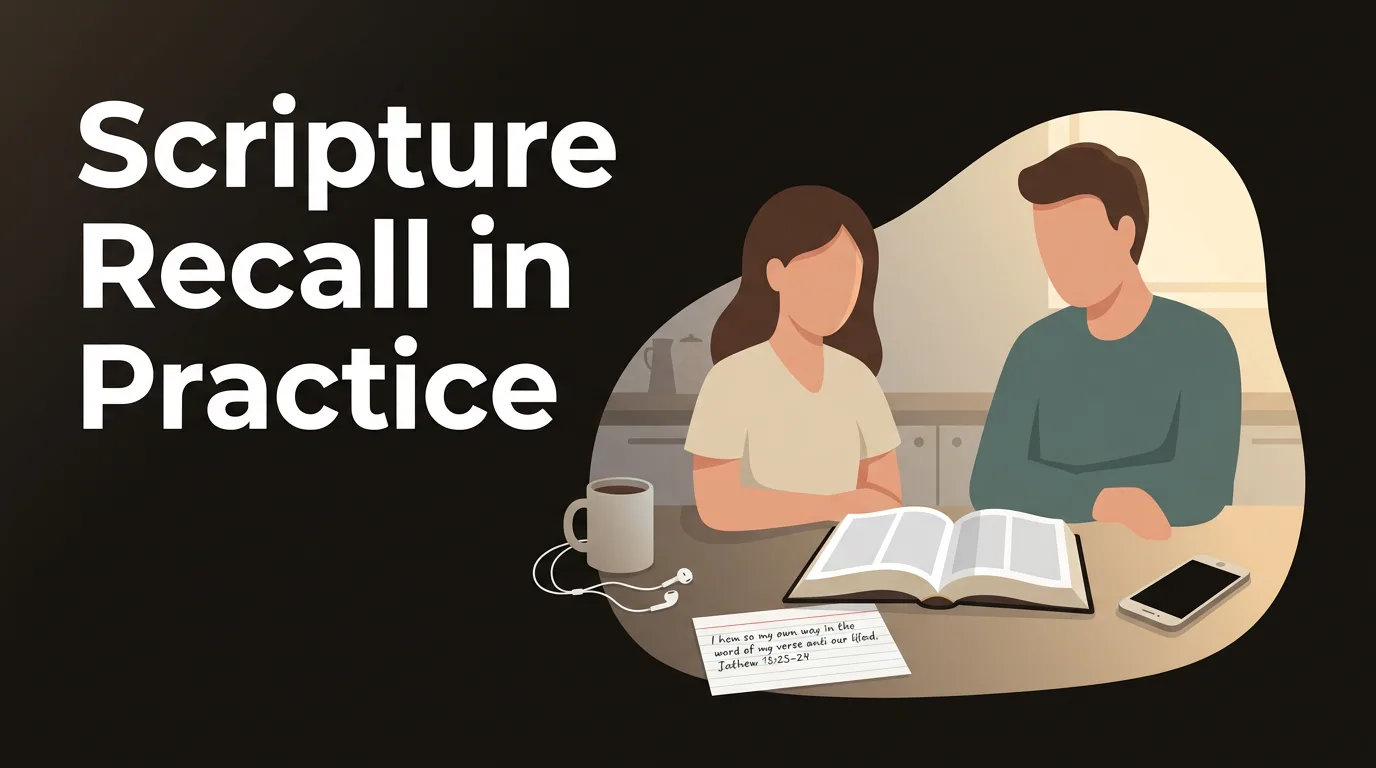
If you are guiding others, keep the practice short enough to survive real life. Read one passage together, ask one question, and close with one sentence of prayer from each person. Depth does not require complexity. It often requires enough simplicity that people will return tomorrow.
Frequently asked
How do I start meditating on Scripture if I am easily distracted?
Start with 1 to 3 verses, read them aloud, and write one observation and one prayer. Keep the session short enough that you can repeat it tomorrow.
Is meditating on Scripture the same as Bible study?
They overlap, but meditation is slower and more prayerful. Bible study often aims at understanding the text, while meditation lingers over the text for communion and obedience.
Can I use apps to help me meditate on Scripture?
Yes, if they reduce distraction rather than add to it. Audio playback, simple notes, and blocking tempting apps can all support attention.
What is a good daily length for meditating on Scripture?
Begin with 5 to 10 minutes. Consistency matters more than long sessions at the start.
Start your trial
The apps that pull at you stay quiet until you pray. Christian screen-time, built on Apple Family Controls.
Install Prayin Lock