Attention Fatigue and a Restless Heart: A Christian Guide to Phone Overstimulation
Attention fatigue can make your mind feel crowded and reactive. This Christian guide offers Scripture, prayer, and practical phone habits to help you recover calm without shame.

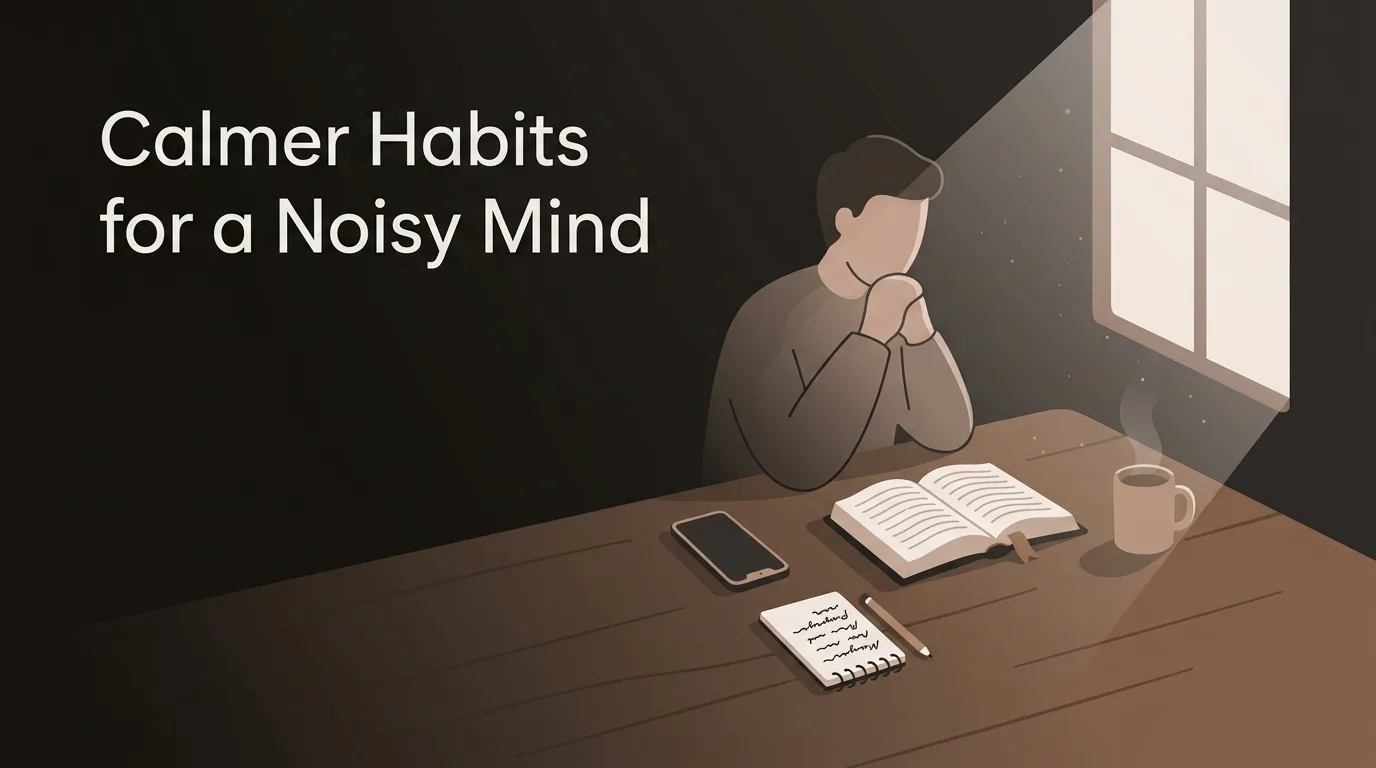
Attention fatigue is one quiet reason your mind may feel crowded, jumpy, and tired. If your phone keeps pulling your attention in ten directions, it can intensify stress, comparison, fear of missing out, and mental replay. This is not a moral failure. It is a human limit, and many believers feel it.
For some readers, this season also includes therapy, counseling, or medication. That matters. Prayer is not a replacement for wise care. But prayer can become a steadying practice inside that care, helping you notice what your mind has been carrying and return your attention to God one small moment at a time.
Why attention fatigue feels spiritual and physical
Your body does not fully separate digital stress from other stress. Notifications, short videos, breaking news, unread messages, and endless comparison can keep your nervous system on alert. When that happens, attention fatigue often shows up as irritability, trouble focusing, racing thoughts, and a sense that your soul never quite lands anywhere.
"Be still, and know that I am God. - Psalm 46:10"
That verse is not a scolding. It is an invitation. God does not ask you to become untroubled in a moment. He welcomes you into stillness by degrees, often through ordinary practices that make room for quiet again.
Four ways your phone amplifies inner noise
Comparison turns ordinary life into a verdict
When you are already tired, other people's highlights can feel like evidence against you. Social media can train your mind to measure your body, family, work, home, or spiritual life against a polished stream of images. Attention fatigue makes that comparison sharper because your mind has less margin to challenge the lie.
Fear of missing out keeps your mind scanning
If you feel you must keep checking so you do not miss news, plans, opportunities, or conversations, your attention never settles. You remain mentally half-available, even in prayer, dinner, or rest. A heart that is always scanning rarely feels safe.
Rumination gives every thought a microphone
A restless phone habit can feed a restless thought habit. You check to escape discomfort, but the checking fragments your attention and leaves you more vulnerable to replaying worries. Then your mind circles the same fear again. This is one way attention fatigue grows.
Constant input lowers your ability to listen
Many Christians are not rejecting God. They are simply overfilled. When every quiet second gets covered by content, your inner life can become hard to hear. Scripture reading feels flat, prayer feels distracted, and your thoughts feel louder than God's kindness.
A simple prayer rhythm for a noisy mind
Before unlocking the apps that usually pull you in, pause for sixty seconds. Breathe slowly and pray through four short movements: praise, repent, ask, and yield. This keeps prayer concrete when your mind feels scattered.
- Praise: 'Lord, you are near, even here.'
- Repent: 'I have been reaching for noise more than peace.'
- Ask: 'Give me wisdom for this next minute and calm for my body.'
- Yield: 'I give you my attention again, even if only in part.'
"You keep him in perfect peace whose mind is stayed on you, because he trusts in you. - Isaiah 26:3"
You do not need a dramatic spiritual experience for this to help. Small prayers repeated honestly can begin to retrain where your attention goes first.
Try a gentler phone boundary
Prayin helps you lock distracting apps behind a 60-second prayer, so the moment that usually becomes mindless scrolling can become a moment of return. It is private, practical, and built for Christians who want calmer habits without shame.
Install PrayinPractical habits that quiet the mind
1. Delay your first scroll
For the first ten minutes after waking, do not open social media, news, or email. Sit up, drink water, and read one short Psalm or Gospel paragraph first. This helps your nervous system meet God before it meets the crowd.
2. Make one room a slower room
Choose one place in your home where your phone stays face-down or out of reach. A kitchen table, porch chair, or bedside table can become a cue for quiet. The goal is not perfection. The goal is to create one reliable place where your mind stops performing.
3. Name the feeling before you tap
When you reach for your phone, ask: 'What am I feeling right now?' Bored, lonely, tense, sad, avoidant, overstimulated? Naming the feeling often lowers its power. It also helps you see whether the phone is serving a purpose or simply absorbing discomfort.
4. Pair peace verses with your usual trigger
If evenings are your hardest time, keep two peace verses ready in your notes app or on paper. Read them before opening the apps that tend to spiral you. Over time, your brain begins to associate that trigger with grounding instead of urgency.
- "Cast all your anxieties on him, because he cares for you. - 1 Peter 5:7"
- "Do not be anxious about anything, but in everything by prayer and supplication with thanksgiving let your requests be made known to God. - Philippians 4:6"
- "When I am afraid, I put my trust in you. - Psalm 56:3"
5. End the day with a closing liturgy
Try a two-minute nightly reset: place your phone face-down, thank God for one mercy from the day, confess one burden you cannot carry overnight, and read one verse slowly. This interrupts the habit of taking the whole internet to bed with you.
For parents and for anyone in a hard season
If you are caring for an anxious teen, grieving a loss, facing illness, or carrying job uncertainty, the phone can become both companion and amplifier. Be gentle with yourself. Attention fatigue often rises when life already feels heavy. In those seasons, tighter digital boundaries are not punishment. They are support.
You may also need deeper help. If your anxiety is persistent, intense, or affecting daily life, reach out to a licensed therapist, physician, pastor, or counselor you trust. A faithful life can include prayer, Scripture, practical phone limits, and professional care together.
A quieter mind begins with smaller returns
The goal is not to become a person who never struggles. The goal is to keep returning. One prayer before one app. One verse before one spiral. One honest breath before one more check. Over time, those small returns can loosen the grip of attention fatigue and make more room for peace.
Frequently asked
Can phone use make anxiety worse for Christians?
Yes. Constant alerts, comparison, and endless information can intensify stress and mental replay. Christians are not immune to that pattern, which is why prayer and practical phone limits can help together.
What Bible verses help with a restless mind?
Many believers return to Psalm 46:10, Philippians 4:6-7, Isaiah 26:3, 1 Peter 5:7, and Psalm 56:3. Keep one or two verses easy to reach when your mind feels noisy.
Is prayer enough for anxiety?
Prayer matters deeply, but it is not the only form of care. Anxiety can have real medical and psychological dimensions, so therapy, counseling, and medication may also be wise and necessary.
How can I stop checking my phone when I feel overwhelmed?
Start with a short pause before opening your most distracting apps. Name what you feel, pray for sixty seconds, and keep one simple alternative nearby, like a verse card, a walk, or a glass of water.
Start your trial
The apps that pull at you stay quiet until you pray. Christian screen-time, built on Apple Family Controls.
Install Prayin Lock