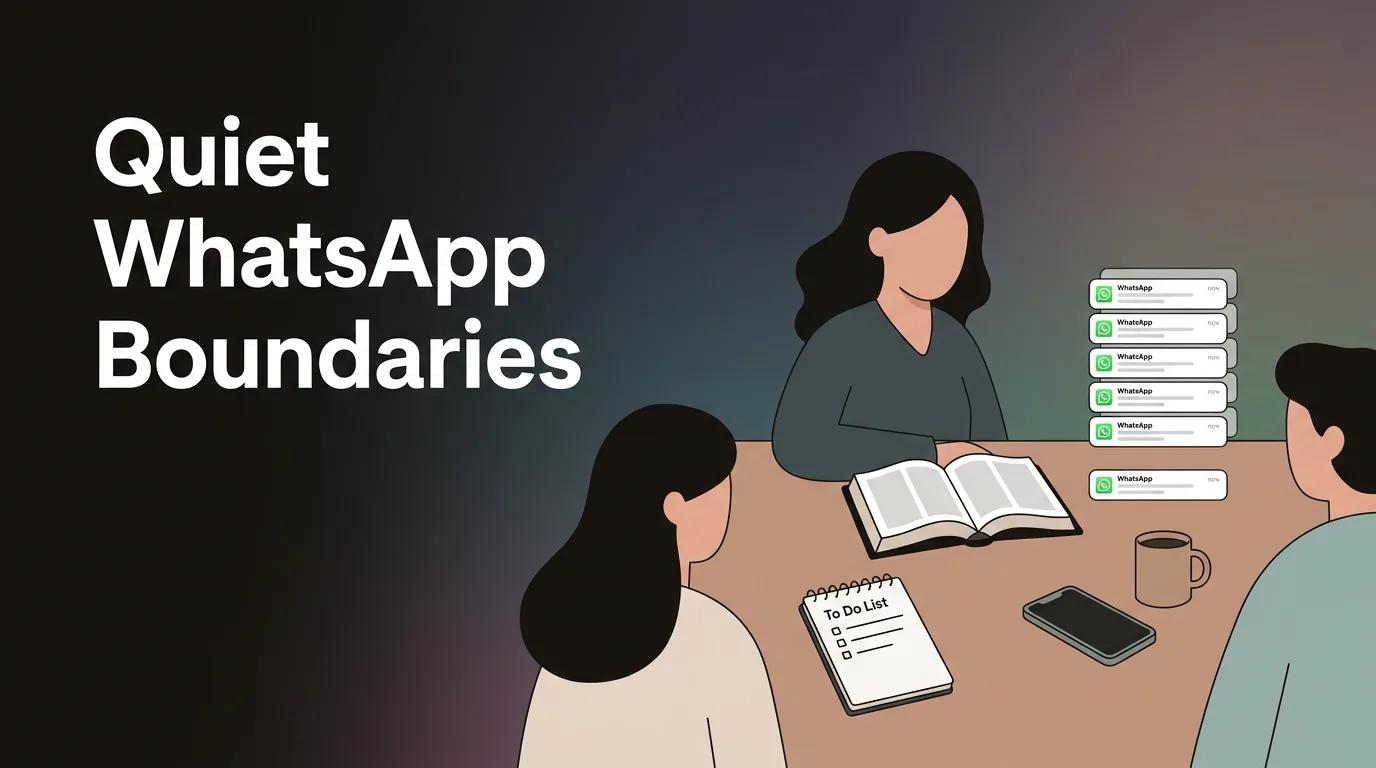
Christian Rest for People Who Carry the Pager
Christian rest is not only for people with empty calendars. This guide shows tech workers, founders, parents, and on-call professionals how to practice real rest with half-day, full-day, and weekend rhythms.
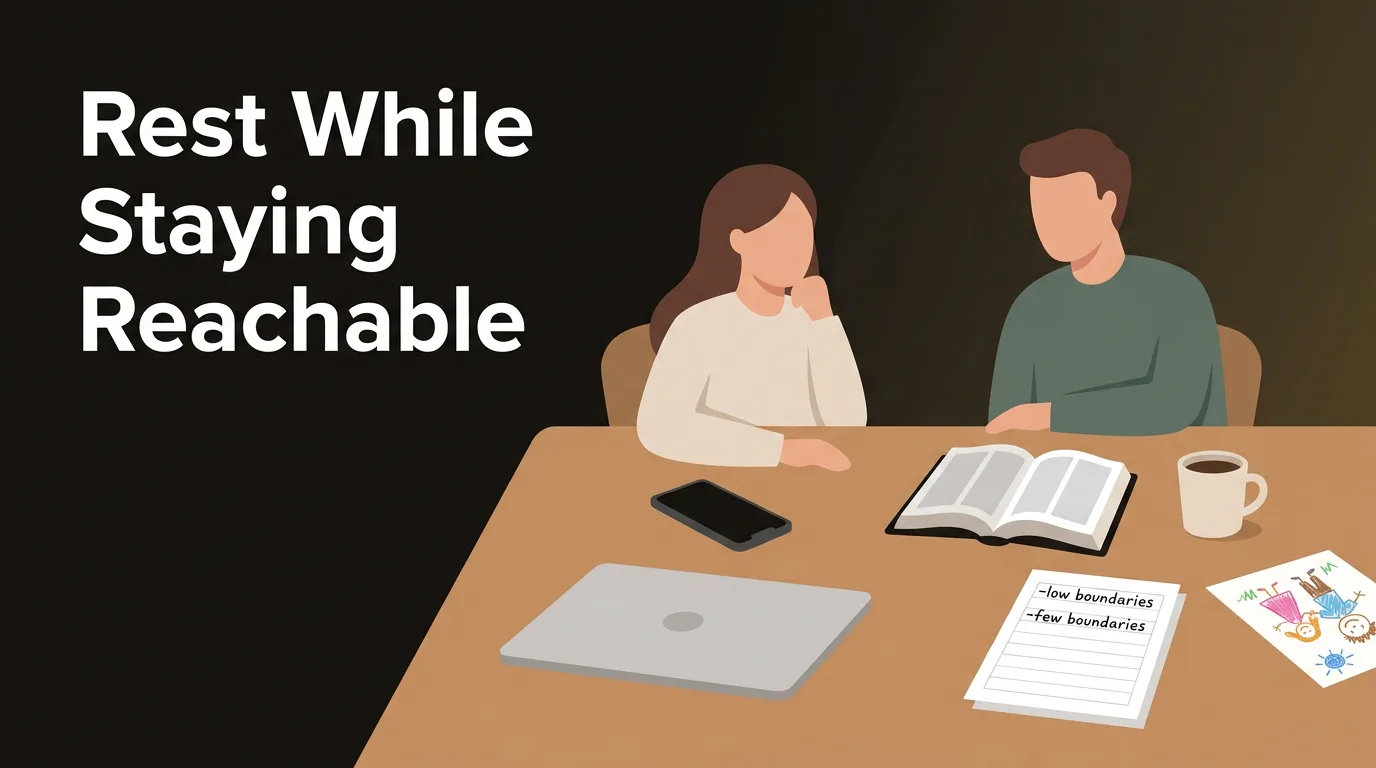
Christian rest can feel unrealistic when your phone is tied to work, family needs, and the fear of missing something important. But rest in scripture is not a reward for people who finished everything. It is a way of trusting God while some things remain undone.
"It is in vain that you rise up early and go late to rest, eating the bread of anxious toil, for he gives to his beloved sleep." - Psalm 127:2
Why christian rest feels hard now
For many knowledge workers, founders, and parents, the problem is not only hours worked. It is constant availability. Your mind stays slightly open all day, waiting for the next ping. Even when your body is on the couch, your attention is still standing at the door.
- You check Slack because something might break.
- You check email because a client might reply.
- You check group texts because family logistics never stop.
- You check social apps because your brain wants relief, even if the relief leaves you more tired.
That is why a simple technology fast can feel so uncomfortable at first. The first two or three hours may bring FOMO, irritability, and low-grade anxiety. That does not always mean the practice is failing. Sometimes it means you are finally noticing how much your nervous system has been carrying.
The theology of sabbath rest
Sabbath rest begins with God, not productivity advice. In Genesis, God rests, not because he is tired, but because creation is complete and good. In Exodus, sabbath becomes a gift for people who had lived under endless labor. In other words, rest is not laziness. It is resistance to the lie that your worth depends on output.
For Christians, christian rest also becomes an act of trust. You stop gripping the day so tightly. You remember that God is God while you are offline. Some messages will wait. Some opportunities will pass. Some people may be briefly annoyed. That cost is real. But so is the freedom on the other side.
"Come to me, all who labor and are heavy laden, and I will give you rest." - Matthew 11:28
What a no phone day can actually look like
Option 1: the half-day sabbath
A half-day rhythm works well for people with rotating responsibilities or young kids. Choose a clear block, like Saturday morning until lunch, or Sunday afternoon. Put your phone in another room, keep one emergency path open, and decide in advance what you will do instead: church, a walk, reading, unhurried breakfast, a nap, or being fully present with your family.
- Set an auto-reply or status line if needed.
- Tell key people your emergency contact method.
- Log out of work apps before the block begins.
- Write down one or two life-giving activities so the space does not get eaten by indecision.
Option 2: the full-day sabbath
A full-day no phone day usually needs more planning, but it often gives deeper relief. Pick a recurring day. Print directions if needed. Let close contacts know how to reach you for urgent needs. Remove the temptation to "just check one thing" by moving distracting apps out of sight or locking them ahead of time.
Expect a dip in the first hours. You may feel bored. You may feel exposed. You may suddenly remember ten things you want to Google. Let that discomfort pass through without obeying it. Boredom is often the hallway to deeper attention.
Option 3: the weekend variant
A full weekend is not realistic every week, but an occasional weekend sabbath can reset more than you expect. This works especially well after launch weeks, on-call stretches, or seasons of family stress. Keep the structure simple: limited essential communication, no work platforms, no social feeds, slower meals, church, outdoor time, and extra sleep.
How to handle real emergencies during sabbath
The goal is not to pretend emergencies do not exist. The goal is to make real emergencies the exception rather than letting every notification act like one.
- Choose one emergency channel, such as calls from a short list of people.
- Use device settings so only those people can break through.
- Define urgent in advance. A production outage may count. A routine request usually does not.
- If you are formally on call, shorten the sabbath block rather than creating a fake rule you cannot keep.
- After handling the issue, return to rest instead of drifting into general checking.
This matters for parents too. If you have teens out of the house, aging parents, or a child with medical needs, keep the path clear for them. Christian rest is not rigid. It is honest. It makes room for love without surrendering the whole day to ambient noise.
What to do with the anxiety when you stop
Many people imagine rest will feel peaceful immediately. Sometimes it does. Often it does not. The first stage of a dopamine fast or technology fast is simply noticing your cravings without feeding them. Name what rises up: fear of being left out, fear of losing control, fear of facing your own thoughts.
- Pray one honest sentence: "Lord, I feel jumpy and scattered. Keep me here."
- Take a ten-minute walk without audio.
- Read one psalm slowly instead of reaching for updates.
- Do one physical task, like making tea or folding laundry, to help your body settle.
- If needed, write down the things you are afraid to miss and leave the paper on the table.
Try a gentler boundary with Prayin
If a full sabbath feels too abrupt, start smaller. Use Prayin to lock distracting apps behind a 60-second prayer, so every check-in becomes a chance to slow down and return your attention to God.
Install PrayinA simple rule of life for busy seasons
If your work is intense, do not wait for the perfect season. Build a modest rule you can keep. Try one half-day of sabbath rest each week, one evening with no social media, and one daily pocket of ten phone-free minutes with scripture and prayer. Small faithfulness often outlasts ambitious plans.
Frequently asked
What is christian rest according to the Bible?
Christian rest is receiving life as a gift from God rather than treating constant work as your identity. It includes trust, worship, and setting aside ordinary striving for a time.
Can I practice sabbath rest if I am on call for work?
Yes, but it may need to look smaller and more realistic. Use a half-day block, define emergencies clearly, and keep only one urgent contact path open.
Is a no phone day the same as a technology fast?
They overlap, but a technology fast can be shorter or more selective. A no phone day is one concrete form of stepping back from constant digital input.
What if I feel anxious during sabbath rest?
That is common, especially in the first few hours. Stay with the discomfort, pray honestly, and use simple offline activities to help your body slow down.
Start your trial
The apps that pull at you stay quiet until you pray. Christian screen-time, built on Apple Family Controls.
Install Prayin Lock